

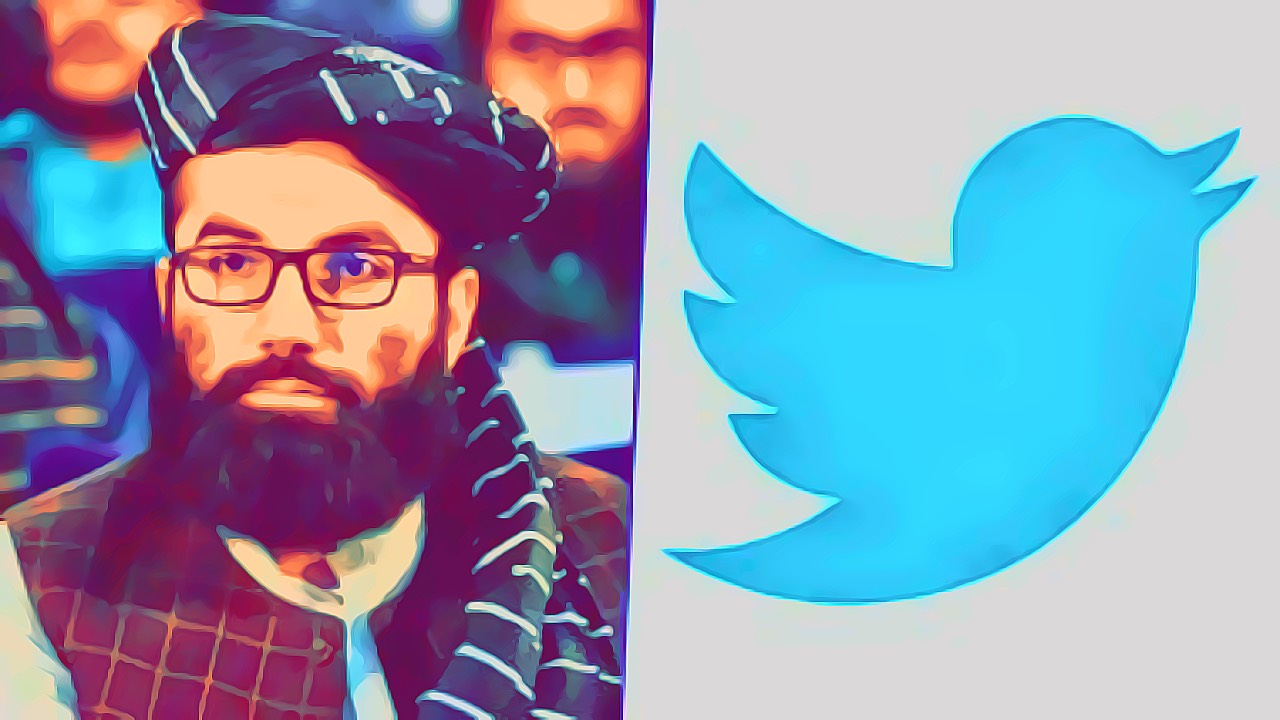
On Monday, a top Taliban official chimed in on the social media conflict between tech billionaires Mark Zuckerberg and Elon Musk, saying that Twitter has some “important advantages” over its rivals.
According to Anas Haqqani, who assisted in guiding Taliban discussions with Afghanistan’s former, elected government, Twitter’s first benefit is “the freedom of speech.” The second is its “public nature” and “credibility,” he added, adding that he is not a fan of the company’s main competition, which earlier this month unveiled a competing application, Threads.
Twitter doesn’t have an intolerance-promoting policy like Meta, according to Haqqani. Other platforms can’t take its place.
Musk, who calls himself a “free-speech absolutist,” has attempted to present Twitter under his control as welcoming of all speech, even the controversial kind, as long as it’s legal. The acceptance rate of filtering requests from nations like Turkey and India has increased since his acquisition of Twitter, raising questions about his ability to keep his word. El Pais previously reported on this.
Before the Turkish presidential election, for instance, Musk came under fire from critics for obediently following censorship requirements. Musk responded to the criticism by asserting that Twitter essentially has “no choice” but to comply with the demands.
Twitter did not reply to a request for comment because Musk disbanded the company’s media relations division.
It’s a contentious endorsement coming from Haqqani. As part of a prisoner exchange with the Taliban, he was freed from an Afghan prison in November 2019 after serving five years in solitary confinement. About eight months later, during the prior ownership of Twitter, he joined.
According to Radio Free Europe/Radio Liberty, a US state-funded media station, Afghan officials described Haqqani as a computer whiz who was in control of “strategic decision-making” and financing for the Haqqani Network at the time of his release. Haqqani asserts that he was innocent and was only used as a negotiating chip.
The Haqqani Network, which is affiliated with the Taliban and was regarded as the “most lethal and sophisticated insurgent group” in Afghanistan during the US-led occupation, was founded by his father, Jalaluddin Haqqani. This information was provided by the National Counterterrorism Center.
The Haqqani Network was classified as a foreign terrorist organization by the US government in 2012. More than ten years ago, in the wake of the 9/11 terrorist attacks, the Taliban was classified as a terrorist organization.
Taliban versus Meta
The endorsement from Haqqani also comes as Twitter encounters fierce new competition from decentralized social media platforms like Mastodon and BlueSky. These platforms have drawn users dissatisfied with Musk’s erratic leadership, his promotion of far-right content, and recent technical issues that have occasionally rendered the website unusable.
The most significant threat to Twitter yet comes from Meta’s this week’s debut of Threads, a text-based social network based on Instagram. According to data-tracking company Quiver Quantitative, the app has added more than 100 million registered users since being live less than a week ago.
Members of identified terrorist organizations are unlikely to ever find a forum on Threads. With a few exceptions, Meta has banned the Taliban from Facebook and attempted to block Taliban members from using WhatsApp, its encrypted messaging service.
A member of the Taliban told the BBC that they did not want accusations about them from Afghanistan’s former, globally recognized government to go unchallenged. Members of the Taliban started using Twitter seriously in 2020 in order to reach a global, English-speaking audience. In August 2021, right before the US military left the country for good, the group took over by force.
The Taliban member claimed, “We too concentrated ourselves on Twitter because we wanted to counter their misinformation. Social media is a potent instrument for influencing public opinion.
At one point, some Taliban members received verifications or blue checks. After Musk took over Twitter, he removed the blue checkmarks from anyone’s account who didn’t pay, whether or not they had previously been verified. Musk also made the blue checkmarks available for purchase.
According to the BBC, senior Taliban leaders Hedayatullah Hedayat and Abdul Haq Hammad temporarily looked to have paid for the blue ticks.
Discover more from True News Media
Subscribe to get the latest posts sent to your email.