

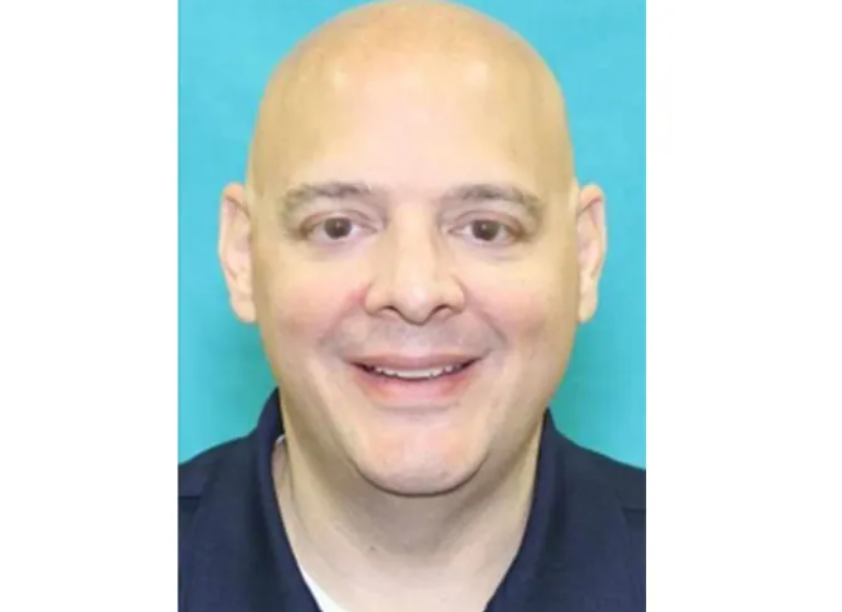
A Texas laboratory executive who was supposed to help protect the public from dangerous water pollution has been sentenced to federal prison after admitting to helping conceal excessive levels of E. coli and other contaminants in wastewater for three years.
Derek McCoy, 52, the former CEO and part-owner of North Water District Laboratory Services, was sentenced to 12 months in federal prison and ordered to pay a $250,000 fine for his role in a scheme that made wastewater treatment facilities appear to meet environmental safety standards when they were actually exceeding pollution limits.
The disturbing case involved approximately 36 falsified test results between 2021 and 2024, according to federal prosecutors and court reporting.
Among the pollutants concealed were E. coli bacteria, a common indicator of contamination involving human or animal waste, along with excessive levels of ammonia and phosphorus.
The deception went far beyond a simple paperwork error.
Investigators discovered that McCoy and others used a hidden digital pathway, described as a “backdoor,” to alter laboratory results without leaving the usual record of changes.
The manipulated data was then submitted to the Environmental Protection Agency and the Texas Commission on Environmental Quality, the agencies responsible for enforcing water pollution laws.
For years, the altered reports made wastewater treatment operations appear to be following state-issued permits, even when testing had revealed violations.
The laboratory, based in Conroe, Texas, was responsible for analyzing wastewater samples collected from treatment facilities across the Houston region and other parts of the state.
Those tests are a critical safeguard because treated wastewater is often released into rivers, streams and other waterways.
Facilities must meet specific limits on pollutants before discharging that water, helping protect aquatic ecosystems and public health.
But prosecutors said the defendants deliberately changed results to conceal violations rather than reporting them accurately.
The falsifications affected treatment facilities in several Texas counties, including Harris, Fort Bend, Montgomery, Hays and Comal.
One especially troubling aspect of the case was the presence of E. coli.
The bacteria are commonly associated with fecal contamination, and elevated levels in wastewater can indicate that treatment processes are failing to adequately remove harmful microorganisms.
However, authorities have not established that the falsified results caused contaminated drinking water to reach consumers or that anyone became ill.
The case concerns treated wastewater released under environmental discharge permits, not direct testing of household drinking water.
McCoy’s role in the scheme eventually attracted the attention of federal investigators.
The EPA’s Criminal Investigation Division, the agency’s Office of Inspector General and Texas environmental investigators worked together to uncover the falsified records.
Their investigation led to criminal charges against McCoy and two others involved in the operation.
Dana Higginbotham, 56, a former laboratory employee, and John Montgomery, 60, a laboratory client who worked with wastewater compliance reporting, also pleaded guilty.
McCoy admitted guilt on June 11, 2026, to falsifying or aiding and abetting the falsification of legally required environmental data.
On November 17, Senior U.S. District Judge David Hittner sentenced him to one year in federal prison, followed by another year of supervised release.
The judge also imposed a $250,000 fine.
McCoy was allowed to remain free on bond until he reports to a federal prison facility at a later date.
The sentencing brings an important development in a case that has raised serious questions about the reliability of environmental testing performed by private laboratories.
Water treatment operators and government regulators rely on accurate laboratory results to identify contamination and determine whether facilities are following the law.
When those results are deliberately altered, violations can remain hidden and authorities may be unable to respond appropriately.
The case is particularly concerning because the falsification allegedly continued for approximately three years before investigators uncovered the scheme.
North Water District Laboratory Services was acquired by laboratory testing company SPL in May 2026, after the period covered by the criminal allegations.
For McCoy, the consequences now include a felony conviction, a substantial financial penalty and a year behind bars.
But the larger issue extends beyond one executive’s prison sentence.
For three years, laboratory reports meant to reveal pollution were instead used to hide it, leaving regulators with inaccurate information about what was being discharged into Texas waterways.
Discover more from
Subscribe to get the latest posts sent to your email.