

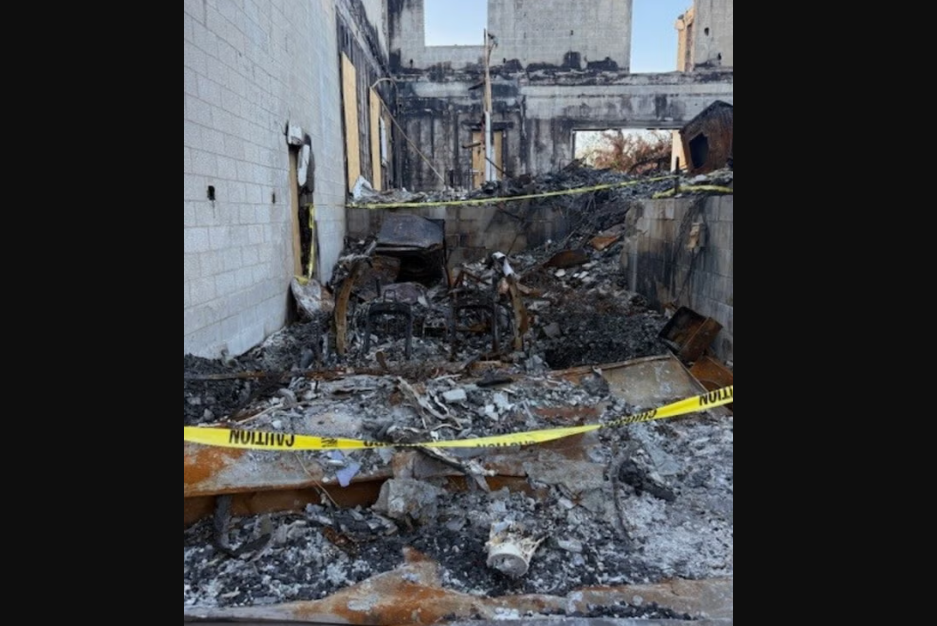
A Florida family is suing Tesla after claiming one of the company’s electric cars burst into flames inside their garage during Hurricane Helene, destroying their multimillion-dollar Tampa Bay home and killing their dog.
Michael and Sylvana Murphy filed the federal lawsuit Sept. 24 in Tampa, alleging a 2021 Tesla Model S Plaid caught fire after its battery system was exposed to saltwater flooding during the September 2024 hurricane.
The Murphys say the fire tore through their 5,400-square-foot waterfront home so quickly that family members had to be rescued by boat.
Michael Murphy was in California on business when Hurricane Helene struck the Tampa Bay area. His wife, their two young daughters and Sylvana’s parents were inside the house as storm surge began flooding the property.
According to the lawsuit, saltwater eventually entered the ground-floor garage and submerged the underside of the Tesla.
Then, the family says, they heard an explosion.
Sylvana went downstairs and allegedly found the Tesla burning as flames rapidly spread through the garage.
The lawsuit claims rising floodwaters had already made it impossible for normal emergency vehicles to reach the home.
With his family trapped and the house burning, Michael contacted Grey Bull Rescue, a Tampa-area rescue organization staffed by military veterans and other emergency personnel.
The lawsuit says a rescue team managed to reach the property by boat and evacuate Sylvana, the children and their grandparents.
The family claims that without the boat rescue, they may not have made it out alive.
Their dog was not as fortunate.
According to the complaint, the fire spread too quickly for rescuers to reach the animal, which died inside the home.
The five-bedroom, six-bath house was ultimately destroyed, along with the family’s belongings.
The Murphys now allege Tesla knew for years that lithium-ion batteries could become dangerously unstable after exposure to saltwater but failed to adequately protect customers or warn them about the risk.
Those allegations have not been proven in court.
The lawsuit specifically claims the vehicle’s battery pack entered what is known as “thermal runaway,” a chain reaction in which overheating inside a lithium-ion battery can cause temperatures to continue climbing and potentially ignite nearby battery cells.
Saltwater exposure has been a known concern with electric vehicles following hurricanes.
Florida officials have repeatedly warned EV owners to move vehicles away from storm surge and flooding when possible because saltwater intrusion can damage lithium-ion battery cells and, in some circumstances, lead to fires.
During Hurricane Helene, other Tesla fires were also reported in the Tampa Bay area after vehicles were exposed to floodwater.
In one widely reported case in Pinellas County, surveillance video showed a Tesla sitting in a flooded garage before bursting into flames. The fire then spread through the home.
Another fire on Davis Islands in Tampa was also investigated after an electric vehicle reportedly ignited following storm-surge exposure.
The Murphys’ lawsuit argues Tesla had years to address the danger.
It points to Tesla patents involving fire-retardant materials and past warnings from government officials about electric-vehicle batteries exposed to saltwater.
Tesla has previously said its vehicles catch fire less frequently than gasoline-powered cars overall.
However, lithium-ion battery fires can pose particular challenges to firefighters because damaged battery cells can reignite and may require large amounts of water and extended monitoring.
The Murphy family is accusing Tesla of negligence and claims the Model S contained design and manufacturing defects.
They are seeking compensatory and punitive damages, with the final amount potentially determined by a jury.
Tesla had not publicly responded to the specific allegations in the lawsuit when the original report was published.
Discover more from
Subscribe to get the latest posts sent to your email.