

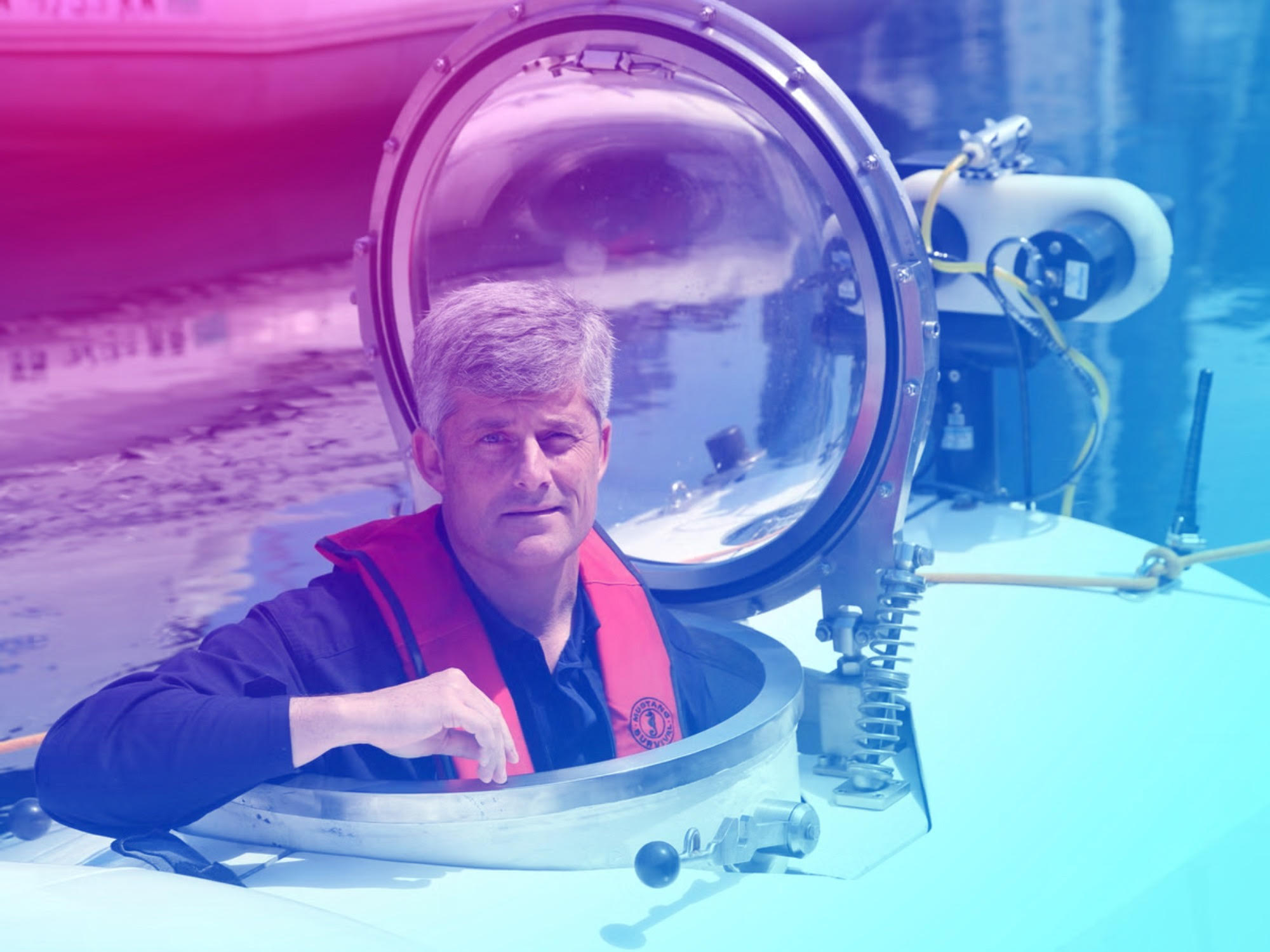
Explosive new details have emerged regarding the ill-fated Titan submersible and the tragic incident that claimed the lives of OceanGate founder and CEO Stockton Rush, along with four other individuals.
According to a report by The New Yorker, Rush hired college interns, including students from Washington State University (WSU), to design the electrical systems for the submersible. The report alleges that safety warnings were ignored while charging wealthy tourists exorbitant fees for dives to the Titanic shipwreck. As investigations continue, these revelations shed light on the circumstances leading up to the fatal incident.
Interns Involved in Critical Systems Design:
The New Yorker report reveals that OceanGate’s CEO, Stockton Rush, enlisted college interns to work on the crucial electrical systems of the Titan submersible. Former intern Mark Walsh, who was the treasurer of WSU’s Institute of Electrical and Electronics Engineers club, claimed that he and fellow students volunteered to offer solutions to the company’s challenges.
Following their involvement, Walsh was hired as the company’s electrical engineering lead, overseeing a team that included two WSU interns. The students’ work on the electrical system was reportedly implemented and operational at the time of the tragedy.
Concerns Raised about the Submersible’s Safety:
The report also highlights David Lochridge, OceanGate’s former director of marine operations and chief pilot, who voiced concerns about the safety of the Titan in 2018. Lochridge allegedly referred to the submersible as a “lemon” and warned that it was not safe for diving.
The New Yorker details Lochridge’s communication with deep-sea exploration specialist Rob McCallum, where he expressed apprehension about the submersible’s condition. Lochridge’s dismissal from the company followed his concerns and raised questions about the company’s testing methods.
Involvement of College Institutions:
Washington State University and Everett Community College were mentioned in the report as educational institutions whose students had been involved with OceanGate. While WSU confirmed that some graduates had worked at the company, they stated they were not aware of the nature of the projects or roles undertaken by their alumni. Everett Community College had previously offered internships with OceanGate through its Ocean Research College Academy but stopped doing so in 2019.
Industry Response and Denials:
The report also mentions that Boeing and the University of Washington denied any involvement with OceanGate. Despite OceanGate’s claims of collaboration with outside experts, these institutions distanced themselves from the submersible project.
The New Yorker’s report highlights the apparent disconnect between the scientific community and explorers, emphasizing the importance of maintaining safety standards in cutting-edge ventures.
Discover more from True News Media
Subscribe to get the latest posts sent to your email.
He paid the price,now comes the law suits
This ‘news’ is just to distract attention from the all the SUPER BAD NEWS coming out lately about the Bribery family/Democrats…
It’s over. Let it go.