

Health officials in Louisiana are sounding the alarm after a series of rare amoeba infections left five people with permanent vision loss and another dead, raising concerns about everyday habits involving tap water, contact lenses and sinus-rinsing devices.
The Louisiana Department of Health confirmed 10 cases of Acanthamoeba infection statewide since 2024, including two particularly serious infections reported this year.
Although the microscopic organism is commonly found in water, soil and dust, it can cause devastating complications when it enters certain parts of the body.
Of the 10 reported cases, eight involved Acanthamoeba keratitis, a potentially severe eye infection that attacks the cornea, the transparent outer layer of the eye.
Seven of those patients wore contact lenses, and five suffered permanent vision loss, according to state health officials.
The remaining two patients had weakened immune systems and developed more serious infections affecting the sinuses and brain. One patient died after developing a brain infection, although authorities have not disclosed when or where the death occurred.
In a troubling detail, both patients with serious infections reported using ordinary tap water in devices designed to rinse their nasal passages.
However, investigators have not established that tap water was the source of either infection.
The cases prompted Louisiana health officials to issue a public warning urging residents to reconsider certain everyday hygiene practices that could expose them to potentially dangerous organisms.
“Although these infections are rare, they can have devastating consequences,” state epidemiologist Theresa Sokol warned.
Acanthamoeba is a microscopic, single-celled organism found naturally throughout the environment, including freshwater lakes, rivers, swimming pools, soil and some household water systems.
Most people encounter the organism without ever becoming sick. But under certain circumstances, it can enter the eyes, nasal passages or damaged skin and trigger severe infections.
For contact lens wearers, the greatest concern is Acanthamoeba keratitis.
The infection can develop when contaminated water comes into contact with the eyes, particularly through improperly cleaned contact lenses or lens cases.
Symptoms may include eye pain, redness, blurred vision, sensitivity to light and the sensation that something is stuck in the eye.
Because those symptoms can resemble more common eye infections, the condition may initially be mistaken for another problem, potentially delaying treatment.
Doctors warn that early diagnosis is critical because untreated cases can result in permanent damage to the cornea and, in severe situations, blindness.
Acanthamoeba can also cause infections outside the eyes, including a rare but dangerous condition called granulomatous amoebic encephalitis, which affects the brain.
These infections are particularly concerning for people with weakened immune systems, including patients undergoing cancer treatment, organ transplant recipients and individuals with certain chronic medical conditions.
A Centers for Disease Control and Prevention report found that serious Acanthamoeba infections outside the eyes occur fewer than a dozen times annually in the United States, based on earlier surveillance data.
However, the reported fatality rate among those patients was approximately 82%, illustrating how dangerous the disease can become once it spreads beyond the eye.
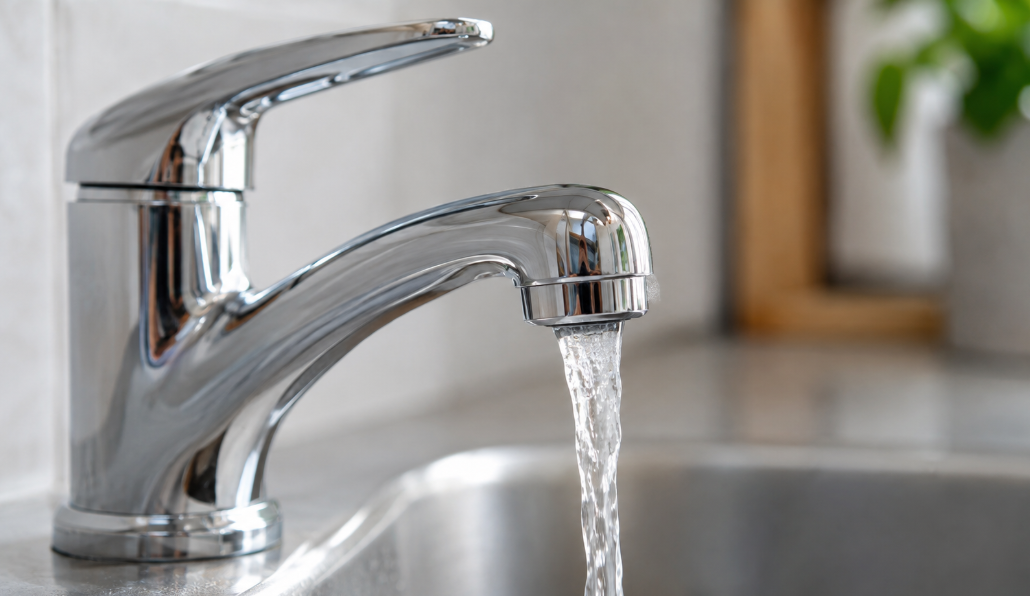
Despite the alarming numbers, officials emphasized that the Louisiana cases do not indicate that ordinary tap water has become unsafe to drink.
The primary concern involves introducing potentially contaminated water directly into sensitive areas of the body.
For example, people using neti pots or other sinus-rinsing devices should never fill them directly from the faucet without first treating the water.
Instead, health officials recommend using commercially distilled or sterile water, or tap water that has been properly boiled and allowed to cool.
The same attention to water safety is important for certain medical devices, including CPAP machines used to treat sleep apnea. Patients should follow the manufacturer’s instructions for filling and cleaning their equipment.
Contact lens users face a different set of precautions.
Authorities warn against using tap water to rinse, clean or store contact lenses. Instead, users should follow their eye care provider’s instructions and use approved sterile contact lens solutions.
Removing contact lenses before swimming, showering or entering a hot tub can also reduce the risk of infection.
Health officials stressed that Acanthamoeba infections remain extremely uncommon, even though the organism is widespread in the environment.
The warning also follows other recent concerns involving dangerous microorganisms in recreational water, including separate cases involving Naegleria fowleri, the organism commonly referred to as the brain-eating amoeba.
Although both organisms can cause serious disease, they are different types of amoebas with different patterns of infection.
For Louisiana residents, the latest warning is intended to encourage simple preventive measures rather than create alarm about everyday drinking water.
The 10 infections reported since 2024 serve as a reminder that seemingly harmless habits, such as rinsing contact lenses with tap water or using untreated water in a sinus-rinsing device, can carry rare but serious risks.
And with five patients facing permanent vision loss and another family mourning a death, health officials hope greater awareness will prevent similar tragedies.
Anyone experiencing persistent eye pain, redness or vision changes, especially after wearing contact lenses, should seek prompt medical attention.
Discover more from
Subscribe to get the latest posts sent to your email.