

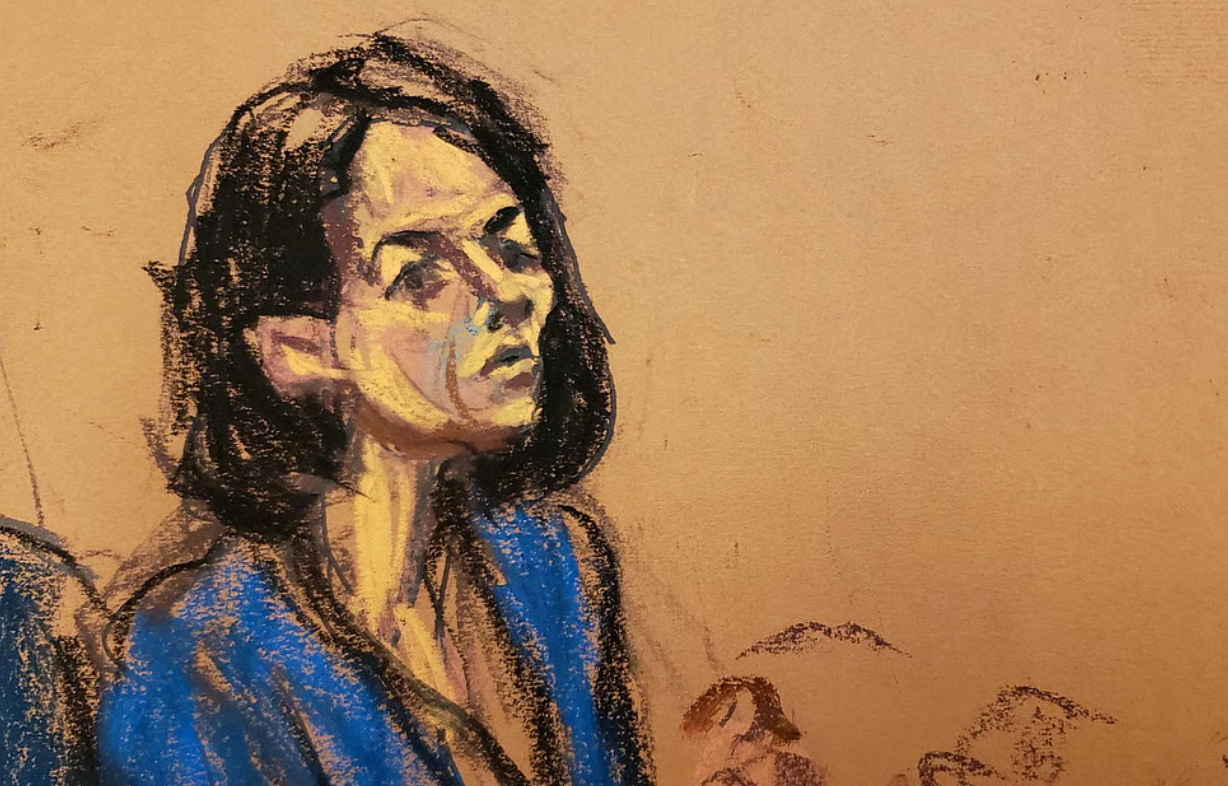
Ghislaine Maxwell’s final bid for freedom just hit a dead end.
On Monday, the U.S. Supreme Court refused to hear the disgraced British socialite’s appeal, effectively sealing her 20-year sentence for sex trafficking and conspiracy in connection with Jeffrey Epstein’s crimes. The decision came without comment — a silent but devastating blow to Maxwell’s legal team.
Once a fixture in high-society circles from New York to London, Maxwell’s world collapsed after her 2021 conviction. Jurors found her guilty of grooming and recruiting underage girls for Epstein, the wealthy financier whose web of power and exploitation continues to haunt the elite.
Prosecutors said Maxwell’s crimes stretched over a decade, involving “young girls turned into victims under the guise of opportunity.”
“She knew exactly what Epstein was doing,” prosecutors wrote in her sentencing memo. “She was an equal partner in his predation.”
Maxwell’s appeal rested on a controversial 2007 non-prosecution agreement that Epstein had secured in Florida. His attorneys claimed the deal shielded not only Epstein but also “potential co-conspirators” from future charges.
Her lawyer, David Oscar Markus, argued that the promise should have extended to her. “The United States pledged not to prosecute anyone connected to Epstein,” Markus said. “That pledge was broken.”
But the Justice Department flatly disagreed. In a July filing, Solicitor General D. John Sauer wrote, “There is no evidence that the parties to the agreement ever intended to protect Ghislaine Maxwell.”
The Supreme Court’s decision to reject her petition, issued on the opening day of its new term, means Maxwell will serve out her full sentence unless new evidence emerges — a near-impossible prospect.
Epstein’s 2019 death — officially ruled a suicide — only fueled public suspicion and conspiracy theories. The financier’s ties to power players including President Donald Trump, former President Bill Clinton, and Britain’s Prince Andrew have kept the scandal alive years later.
Both Trump and Clinton have denied any involvement in Epstein’s activities. “I had a falling out with Epstein long before any of this,” Trump said in 2019, calling his death “strange.”
The Department of Justice and FBI have repeatedly stated there is no “client list” linking Epstein’s associates to criminal acts. Still, that assurance has done little to quiet public outrage or online speculation.
Anti-trafficking advocates hailed the Supreme Court’s move as a long-overdue affirmation of justice.
Lauren Hersh, national director of World Without Exploitation, told reporters, “The jury spoke loud and clear. Ghislaine Maxwell inflicted incalculable harm on countless young women. Today, justice holds.”
But Maxwell’s lawyer vowed the fight would continue. “We’re deeply disappointed,” Markus told CNN. “There are serious legal and factual issues that remain. This case isn’t over.”
Now 63, Maxwell is serving her sentence at the Federal Prison Camp in Bryan, Texas — a minimum-security facility sometimes described as “comfortable” compared to other prisons. She was quietly transferred there after an interview last year in which she denied ever witnessing Epstein engage in sexual misconduct with Donald Trump present.
The Bureau of Prisons has not explained the reason for her relocation.
In a 2023 prison interview, Maxwell described her life as “monotonous” and “filled with regret,” adding, “I believe I’m paying for someone else’s sins.”
But for Epstein’s survivors, the case’s end is a reminder that justice, however delayed, finally caught up.
“Ghislaine Maxwell thought her wealth and connections could protect her,” one survivor told NBC anonymously. “Now she knows — they can’t.”
Discover more from True News Media
Subscribe to get the latest posts sent to your email.