

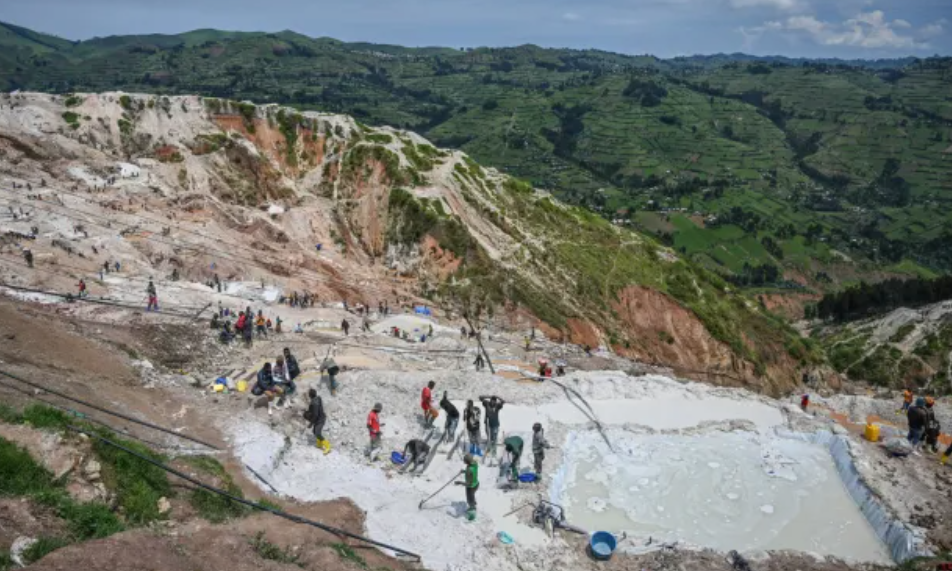
More than 200 people, including children, are feared dead after a mineral mine collapsed in eastern Africa, turning a day of work into a mass-casualty disaster.
The collapse happened Wednesday in the town of Rubaya, located in the North Kivu region of the Democratic Republic of the Congo, after torrential rains triggered landslides that caused a coltan mine to cave in on workers underground.
According to reports from BBC News, the mine was operating in an area controlled by the rebel group M23 and was allegedly poorly maintained. Rebel authorities said the unstable ground gave way while hundreds of people were inside the mine shafts.
“For now, there are more than 200 dead, some of whom are still in the mud and have not yet been recovered,” said Lumumba Kambere Muyisa, a spokesperson for the rebel-appointed governor of North Kivu. “Some people were rescued just in time and have serious injuries.”
Muyisa added that the disaster unfolded during the rainy season, when the ground becomes especially fragile. “It was the ground that gave way while the victims were in the hole,” he said.
Survivors with serious injuries were rushed to health facilities in Rubaya, with some later transferred to hospitals in the city of Goma, roughly 30 miles away. Rescue efforts have been hampered by mud, debris, and ongoing instability in the region.
The Rubaya mines are among the world’s most significant sources of coltan, producing an estimated 15 percent of the global supply. Coltan is refined into tantalum, a heat-resistant metal widely used in smartphones, computers, and aviation equipment.
Despite the mineral’s value, the mine relies heavily on local laborers who dig manually for just a few dollars a day. Many of those killed were reportedly local residents, including women and children.
“It rained, then the landslide happened and swept people away,” miner Franck Bolingo told AFP. “Some were buried alive, and others are still trapped in the shafts.”
The mine has been under M23 control since May 2024, when the armed group seized territory in the area. Eastern Congo has been plagued by violence and instability for decades, contributing to a massive humanitarian crisis that has displaced more than 7 million people.
The dangers tied to unregulated mining are not new. In November, at least 32 people were killed when a makeshift bridge collapsed at a cobalt and copper mine in the southwestern province of Lualaba following heavy rains.
The Democratic Republic of the Congo is the world’s largest producer of cobalt, supplying more than 70 percent of the global market. Human rights organizations estimate that between 1.5 and 2 million people work in the country’s largely unregulated mining industry, often under dangerous conditions.
The UK Foreign Office currently advises against all travel to eastern Congo, including North Kivu, warning that the region remains highly volatile and unsafe.
Discover more from True News Media
Subscribe to get the latest posts sent to your email.
Was Bill Gates an investor in the mine?