

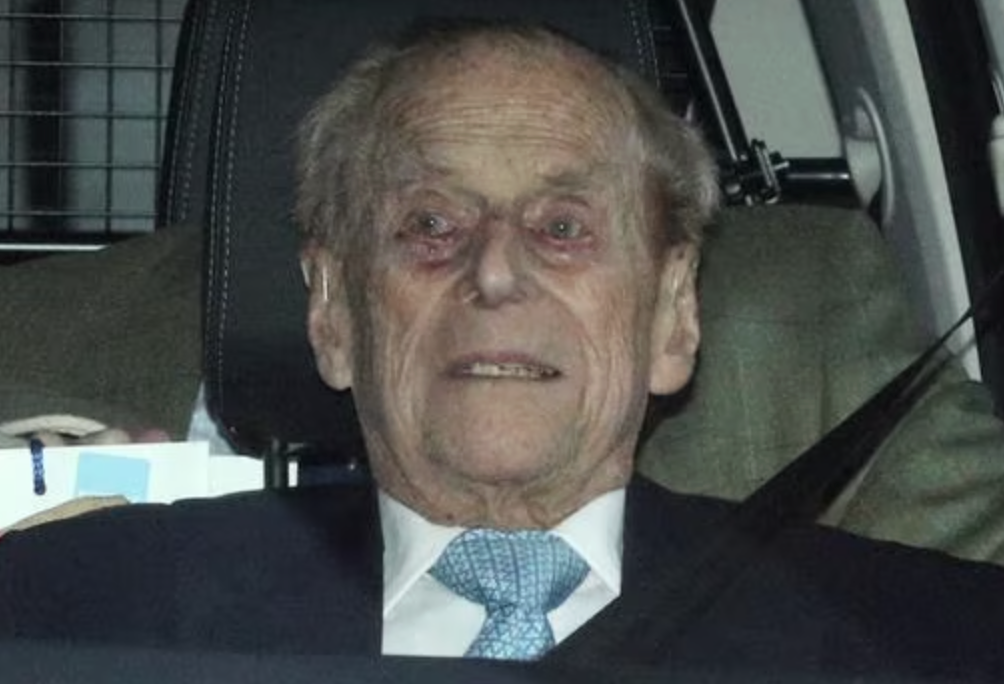
A jaw-dropping new claim about Prince Philip is setting off fresh intrigue — and plenty of skepticism — years after his death.
The late royal, who died at 99 in 2021, is now at the center of a brewing medical mystery after historian Hugo Vickers alleged he quietly battled inoperable pancreatic cancer for nearly eight years before his passing.
If true, experts say, it would be nothing short of extraordinary.
Pancreatic cancer is widely known as one of the deadliest forms of the disease — fast-moving, hard to detect, and notoriously unforgiving. So the idea that Philip could have lived nearly a decade with it has specialists doing a double take.
“One year survival is already difficult in many cases,” one medical expert explained. “Eight years? That’s highly unusual and immediately raises questions.”
Another specialist echoed the disbelief, suggesting the diagnosis may not have been the typical aggressive form most people associate with pancreatic cancer.
“There are rare subtypes that behave very differently,” the source said. “But they’re the exception, not the rule.”
The most common type — pancreatic adenocarcinoma — carries grim odds, with survival rates often measured in months, not years. Many patients don’t even know they have it until it has already spread.
But doctors point to a possible explanation: a rarer, slower-growing version known as a neuroendocrine tumor.
These cases, while still serious, can sometimes be managed over several years — even when surgery isn’t an option.
“There are patients who live much longer with these forms,” one clinical source said. “It’s not typical, but it does happen.”
What’s fueling the speculation is the complete lack of official confirmation.
Buckingham Palace never disclosed any pancreatic cancer diagnosis for Philip, and no verified medical records have surfaced. That vacuum of information is now giving rise to renewed conspiracy theories about what the Duke may have been battling behind closed doors.
Despite repeated hospital stays in his later years, Philip continued to carry out royal duties well into old age — something that only deepens the mystery if he was indeed fighting a serious illness.
Experts note that pancreatic cancer symptoms — including abdominal pain, jaundice, and rapid weight loss — often appear late, making early detection notoriously difficult.
While the bombshell allegation remains unverified, it’s already reshaping conversations about Philip’s final years — and raising bigger questions about transparency surrounding royal health.
For now, one thing is clear: if the claim holds any truth, Prince Philip may have quietly defied the odds in one of medicine’s most unforgiving battles.
Or, as some experts suggest, the real story may be far more complicated than it seems.
Discover more from True News Media
Subscribe to get the latest posts sent to your email.