

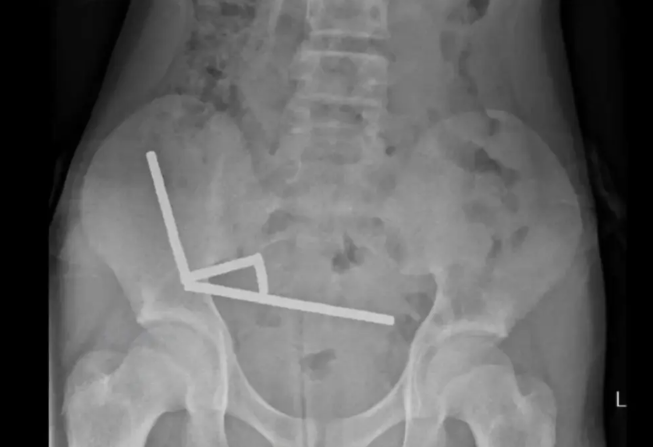
A 13-year-old boy in New Zealand needed emergency surgery after swallowing more than 100 high-powered magnets, reportedly bought from the Chinese shopping site Temu. The teen was admitted to Tauranga Hospital on the North Island after experiencing four days of intense abdominal pain.
He told doctors he had swallowed between 80 and 100 small neodymium magnets about a week earlier, but surgeons later removed nearly 200 from his intestines, according to a case report in the New Zealand Medical Journal. X-rays showed four chains of magnets stuck in different sections of his intestines, pulling together and cutting off blood flow to nearby tissue.
The magnetic pressure caused multiple areas of dead intestinal lining, forcing surgeons to remove both the magnets and damaged sections of bowel. The boy spent eight days in the hospital before being discharged.
“This case highlights not only the dangers of magnet ingestion but also the dangers of the online marketplace for our pediatric population,” the report said.
New Zealand banned small, high-powered magnets in 2013 after several cases of children swallowing them. Yet despite the ban, these magnets remain widely available online, including through retailers like Amazon, AliExpress, Trade Me, Shein, and reportedly Temu.
Temu said it is investigating the incident but cannot confirm whether the magnets came from its platform. A spokesperson told The Post, “We are sorry to learn about the reported incident and wish the boy a full and speedy recovery. At this stage, we have not been able to confirm whether the magnets involved were purchased through Temu or identify the specific product listing.” The company added that the products are legally sold in New Zealand but acknowledged they are dangerous if swallowed.
Each magnet measured just 5 by 2 millimeters and had clumped into four straight lines inside the boy’s intestines, pinching tissue between them. Doctors warned that children who undergo magnet removal surgery can face long-term complications such as bowel obstructions, hernias, or chronic abdominal pain.
University of Auckland researcher Alex Sims said the case highlights the difficulty of enforcing New Zealand’s decade-old magnet ban in the era of online shopping. “It’s concerning that children can still access these powerful magnets through online marketplaces,” Sims said.
Discover more from
Subscribe to get the latest posts sent to your email.